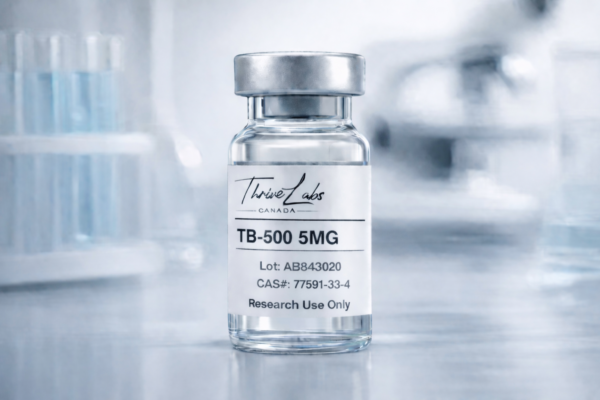
What is TB-500?
TB-500 is a synthetic fraction of the naturally occurring peptide Thymosin Beta-4 (T$\beta$4), which is found in high concentrations in platelets and white blood cells. Unlike many other healing factors, TB-500 has a low molecular weight, allowing it to travel through the body systemically to locate and repair damaged tissues. This makes it uniquely effective for injuries that are far from the administration site.
How It Works: The Mechanism of Action
TB-500 operates through several biological pathways to facilitate healing:
-
Actin Regulation: It binds to G-actin (globular actin), a protein essential for cell structure and movement. By promoting actin polymerization, it enables cells like fibroblasts and keratinocytes to migrate more efficiently to the site of an injury.
-
Angiogenesis: It stimulates the growth of new capillaries from pre-existing blood vessels. This increased “vascularization” ensures that damaged tissues receive the oxygen and nutrients necessary for rapid regeneration.
-
Inflammation Modulation: TB-500 helps downregulate inflammatory cytokines, reducing the swelling and pain associated with acute or chronic injuries without hindering the natural repair process.
Primary Applications
-
Soft Tissue Repair: Accelerates the healing of muscle tears, tendonitis, and ligament strains.
-
Wound Healing: Improves the rate of skin repair and reduces the formation of restrictive scar tissue.
-
Joint & Mobility Support: Promotes better flexibility by maintaining the health of connective tissues.
-
Cardiovascular & Neuroprotection: Ongoing research suggests potential benefits in protecting heart and nerve tissue following oxidative stress or injury.