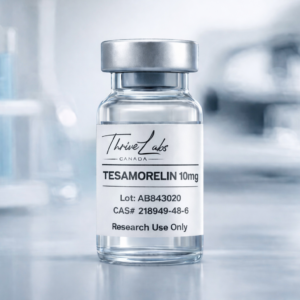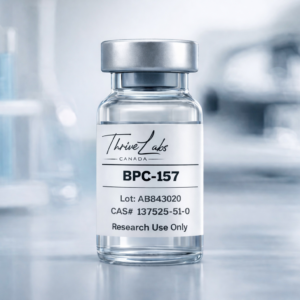
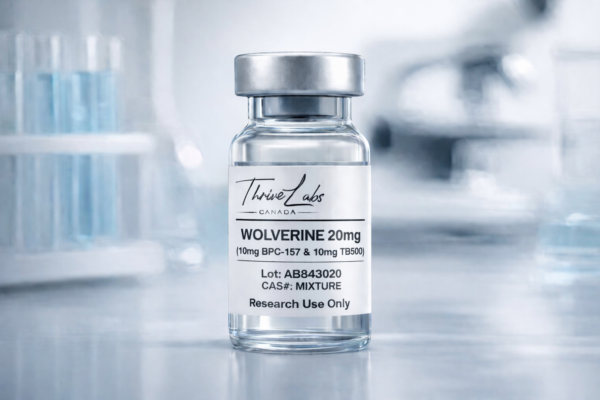
Wolverine 20mg — BPC-157 (10mg) + TB-500 (10mg) Research Blend (Laboratory Use Only)
Wolverine is a premium research chemical blend designed for laboratories studying recovery-oriented signaling pathways. By combining BPC-157 and TB-500, this formulation is commonly selected in experimental designs where researchers want to evaluate complementary mechanisms related to tissue integrity, inflammation signaling, and repair-associated biomarkers.
Research Use Only: Not intended for human consumption. Not for diagnostic, therapeutic, or clinical use. Not for veterinary use.
Why researchers use it (and why it’s popular)
Wolverine blends are widely used in research because investigators often study these peptides in models involving:
-
Tendon/ligament and connective tissue signaling
-
Muscle recovery and post-stress adaptation markers
-
Inflammation-related pathways connected to tissue repair
-
Mobility/function outcomes in controlled experimental settings
The “Wolverine” concept is essentially about stacking two heavily researched recovery peptides into one streamlined format—useful for protocols that track multiple outcome measures over time.
How it works (Research focus)
In research contexts:
-
BPC-157 is frequently investigated for cell signaling involved in tissue repair processes, gut-associated pathways, and inflammation signaling.
-
TB-500 (a thymosin beta-4–related peptide fragment used in research) is commonly explored for cell migration and tissue remodeling signals, often in connective tissue and recovery models.
Together, the blend is used to study whether combined signaling provides clearer or more robust shifts in chosen biomarkers versus single-compound protocols—depending on model and design.